

What to Check Before Buying a Used Boat
What to Check Before Buying a Used Boat
A shiny hull and a friendly seller are nice, but they do not tell you whether the engine has been loved, ignored, or quietly held together by hope and one very optimistic service record. That is why it pays to slow down, ask the right questions, and check the right things before buying a used boat in Ireland.
1. Start with the paperwork
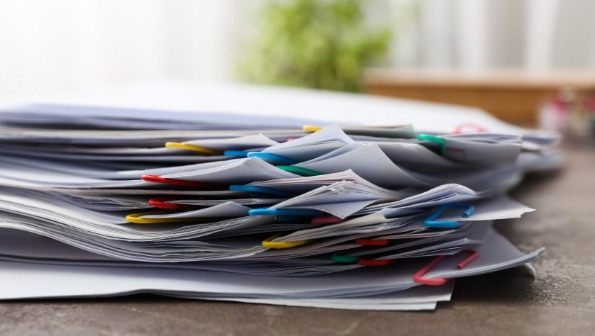
Before you get too excited about the layout or the colour of the cushions, ask for the documents. A proper file should include proof of ownership, VAT status where relevant, service history, manuals, and any previous surveys.
This is important because paperwork tells you more than people sometimes expect. If the boat has changed hands often, has gaps in its history, or is missing key documents, that can be a warning sign. A good brokerage will help make sure these details are in order before you get too far down the road.
2. Check the hull and structure
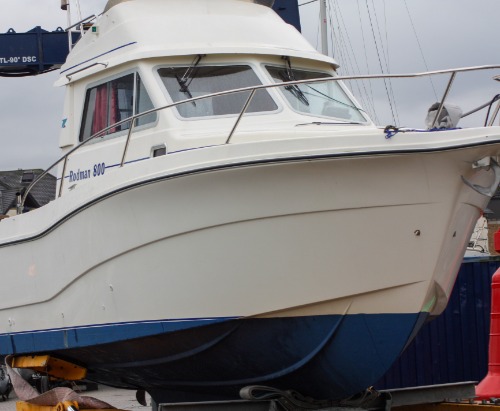
The hull is the part of the boat you really want to trust, ideally with your life and definitely with your wallet. Look carefully for damage, repairs, blistering, cracks, osmosis, or signs that the boat may have been grounded or poorly repaired.
Pay attention to the deck, fittings, hatches and windows too. Water getting into places it should not be can lead to expensive problems later. If anything looks suspicious, a marine survey is worth every cent, because it can reveal issues that are not obvious to the eye.
3. Inspect the engine and systems
Good documentation builds trust and makes your listing stand out in a crowded market of second‑hand boats for sale. Before advertising, gather registration papers, service and maintenance records, manuals, warranties and proof that VAT or relevant taxes have been paid, especially if the boat has moved between the UK and EU.
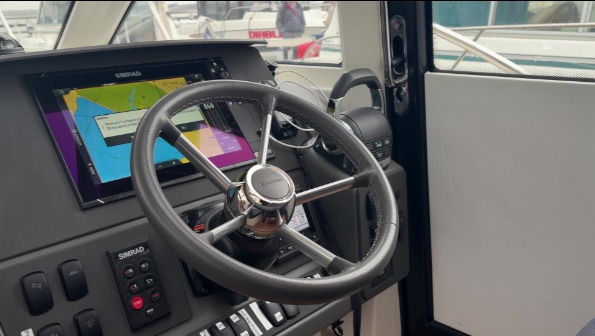
You should also check the electrics, fuel system, batteries, pumps, navigation equipment and steering. These are the systems that make boating enjoyable rather than stressful. If they are in poor condition, repairs can add up quickly, and that lovely “bargain” starts behaving like a budget problem with a bow rail.
4. Look at sails, rigging and fittings
For sailing boats, sails and rigging deserve close attention. Sails can wear out gradually, and rigging can age in ways that are not always visible at first glance.
Check for fraying, corrosion, stiff lines, damaged furling gear and anything that looks past its best. On a motor boat, you will not have rigging to worry about, but you should still inspect deck hardware, cleats, handrails, windows and all the small items that make the boat safe and practical.
5. Take a proper sea trial (If It is possible)
Never buy a used boat without seeing it on the water if at all possible. A sea trial can tell you a lot: how the engine performs, whether the boat handles properly, whether there are strange noises, leaks, vibration or anything else that does not quite feel right.
6. Check the inventory
Make sure you know exactly what is included in the sale. Sometimes the difference between “great value” and “mild disappointment” is whether the boat actually comes with the gear you assumed was on board.
Ask whether the sale includes safety equipment, mooring lines, fenders, sails, electronics, trailer, tender, covers and any extra parts. Get it in writing so there are no awkward conversations later.
Why buying through a brokerage helps
One of the biggest advantages of buying through a brokerage is that a lot of these headaches are handled for you. A professional brokerage can help verify documents, arrange surveys, manage negotiations, and make sure the boat is properly presented before it reaches you.
At Malahide Marina Boat Sales, we work with buyers every step of the way, so you are not left trying to piece together the history of a boat like a detective with a tide table. Our brokerage service gives you more confidence, more support and a much smoother buying experience, especially when compared with a private sale.
Final thoughts
Buying a used boat should be exciting, not exhausting. If you check the paperwork, inspect the hull, review the engine, test the systems and take a proper sea trial, you will already be ahead of many buyers.
And if you buy through a brokerage, you get an extra layer of support that helps avoid the worst surprises. That means more time enjoying the water and less time wondering why the bilge pump sounds like it has developed a personality.
If you are searching for boats for sale in Ireland, our team at Malahide Boats is here to help you find the right boat with confidence.
FAQs: Buying a Used Boat in Ireland
What should I check first when buying a used boat?
- Start with the paperwork, ownership history, and overall condition of the hull, engine and systems. These are usually the areas that tell you the most before you go any further.
Why is buying through a brokerage safer than buying privately?
- A brokerage helps check documents, arrange surveys, manage negotiations and guide you through the buying process. That means fewer risks and much less chance of missing something important.
Should I always take a sea trial?
- Yes, if possible. A sea trial lets you see how the boat performs on the water and helps you spot issues with the engine, steering, noise or handling.
What documents should a used boat include?
- You should ask for proof of ownership, service records, manuals, previous surveys and VAT documentation if relevant.
Can Malahide Boats help me find the right used boat??
- Yes, our team can guide you through the process and help you find a boat that suits your needs, budget and boating plans.
Ready to Find the Right Boat?
If you are thinking about buying a used boat in Ireland, our team at Malahide Boats is here to help make the process simple, clear and stress-free. Browse our current listings or get in touch with our brokerage team today to start your search with confidence.


